
Community
365 Whole Foods' supplement recalled over salmonella risk
By Marcus Chen
Advertisement · Why this ad?
Katherine oversees editorial operations across all six brands. Before joining The Meridan Group, she spent 14 years at the Minneapolis Star Tribune, where she led the metro desk through its digital transformation. She holds a Master's in Journalism from Northwestern's Medill School.
More from Katherine →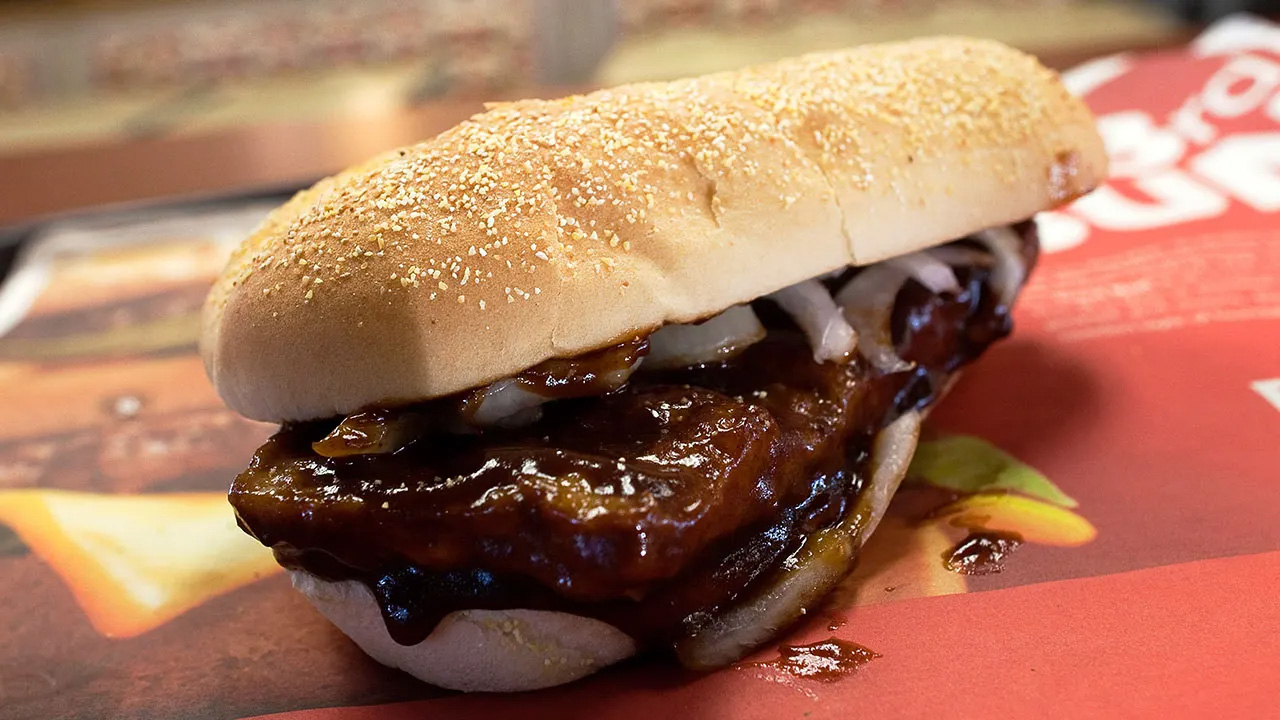
As the sun set over Edina, families gathered at local parks, enjoying the last warm evenings of autumn. Among them was the Johnson family, who, like many others, have a soft spot for the convenience and comfort of their favorite fast-food meals. But their recent discovery about the ingredients in one of their beloved sandwiches has raised eyebrows and questions about transparency in the food industry.
In a significant legal development, a federal judge has allowed a lawsuit against McDonald's to proceed, centered around allegations that the fast-food giant misled customers regarding the meat content of its iconic McRib sandwich. This lawsuit, filed in the U.S. District Court for the Northern District of California, claims that McDonald's has not been forthright about the ingredients used in the McRib, potentially violating consumer protection laws.
The lawsuit comes at a time when consumer awareness about food sourcing and ingredient transparency is at an all-time high. As families like the Johnsons strive to make informed dietary choices, the implications of this case could resonate deeply within the community. The McRib, a seasonal favorite among many, has been marketed as a unique and flavorful option, but the lawsuit raises questions about what exactly constitutes the meat in this sandwich.
Locally, the news has sparked a variety of reactions among Edina residents. Some, like Sarah Thompson, a mother of three, expressed concern over the implications of misleading marketing. “We trust these brands to be honest about what we’re feeding our families,” she said. “If they’re not, it makes you rethink your choices.”
Others, however, remain skeptical about the lawsuit's potential impact. “It’s just a sandwich,” remarked Tom Reynolds, a long-time McDonald’s patron. “I think people are getting a little too worked up over this. It’s fast food; we know it’s not gourmet.” This divide highlights a broader conversation about consumer expectations and the responsibilities of corporations in the food industry.
The discussions around this lawsuit have also reached local forums and social media, where residents are sharing their thoughts. Many Edina parents are taking this opportunity to talk to their children about food choices and the importance of knowing what goes into their meals. “I’ve had conversations with my kids about reading labels and understanding where our food comes from,” said local teacher Emily Carter. “This lawsuit is a good reminder that we need to be vigilant.”
Community groups are also stepping up to facilitate discussions on food transparency. The Edina Food Coalition, a local advocacy group, plans to host a forum next month to educate residents about food labeling and consumer rights. “We want to empower our community to ask the right questions and demand better practices from food providers,” said coalition leader Mark Jensen.
The lawsuit alleges that McDonald's has engaged in deceptive marketing practices by failing to disclose the specific types of meat used in the McRib. Plaintiffs argue that the company has misrepresented the sandwich as a premium product while using lower-quality meat sources. This claim is particularly relevant as consumers increasingly demand transparency about what goes into their food.
As the case progresses, it is likely to draw attention not only from fast-food enthusiasts but also from advocacy groups focused on food safety and consumer rights. The outcome could set a precedent for how fast-food chains communicate about their products, especially in an era where health-conscious choices are paramount for many families.
The legal ramifications of this case extend beyond McDonald's. If the plaintiffs succeed, it could lead to stricter regulations on how fast-food chains present their menu items. This could force companies to be more transparent about their ingredients, potentially reshaping industry standards.
In recent years, there has been a growing movement advocating for clearer labeling and more honest marketing in the food industry. Groups such as the Center for Science in the Public Interest have been at the forefront of this push, arguing that consumers deserve to know what they are eating. As this lawsuit unfolds, it may serve as a catalyst for broader changes in food marketing practices across the country.
Legal analysts suggest that a ruling in favor of the plaintiffs could not only impact McDonald's but also other fast-food chains that have similar marketing strategies. “This case has the potential to redefine what consumers can expect from fast-food marketing,” said legal expert Dr. Linda Harris. “If the court finds that McDonald's misled consumers, it may encourage other companies to reevaluate their practices.”
The implications of this lawsuit extend beyond McDonald's and could affect local businesses in Edina. Many small restaurants and eateries pride themselves on their ingredient transparency and community ties. As larger chains face scrutiny, local establishments may find themselves benefiting from a shift in consumer preferences towards more authentic dining experiences.
Local business owner Maria Gonzalez, who runs a popular taco truck in Edina, commented on the situation: “People want to know where their food comes from. We make it a point to source our ingredients locally and be transparent. It’s a part of our commitment to the community.” As families become more discerning about their food choices, local businesses that prioritize honesty and quality may thrive.
With the rising concerns about fast-food transparency, local farmers and producers are also seeing an increase in interest from consumers. Farmers’ markets in Edina are experiencing higher foot traffic as residents seek to understand the origins of their food. “People are starting to ask more questions about where their produce comes from,” said market manager Lisa Chen. “It’s great to see the community becoming more engaged.”
For residents looking to navigate these changes in the fast-food landscape, there are several resources available. The U.S. Food and Drug Administration provides guidelines on food labeling, helping consumers understand what to look for when making food choices. Additionally, local organizations such as Edina's city website offer insights into community health initiatives and resources aimed at promoting informed eating habits.
Moreover, the ongoing conversation about food transparency is echoed in the work of local advocacy groups that focus on nutrition and public health. Engaging with these organizations can empower consumers to make informed decisions and advocate for their rights as patrons.
As this lawsuit progresses, the fast-food industry will be closely watching the developments. A ruling in favor of the plaintiffs could prompt McDonald's and other chains to reevaluate their marketing strategies and ingredient sourcing practices. This case serves as a reminder of the power that consumers hold in shaping industry standards through their choices and voices.
For families in Edina, the outcome of this lawsuit may influence not only their dining habits but also their expectations of transparency from all food providers. As the community continues to engage in discussions about dietary choices and health, it remains crucial to uphold the values of integrity and honesty in food marketing.
Ultimately, the Johnsons and families like them are left to ponder what this legal battle means for their future meals. Will they continue to enjoy the McRib, or will they seek alternatives that align more closely with their values? Only time will tell, but one thing is certain: this case has ignited a conversation that is far from over.
By Marcus Chen

By Marcus Chen
By Marcus Chen

By Katherine Langford