
Health
Eau Claire woman rescued from burning car after 135-foot airborne crash in Wisconsin
By Marcus Chen
Advertisement · Why this ad?
Marcus manages the day-to-day editorial workflow across all brands, coordinating coverage assignments and ensuring editorial standards are met. He previously served as city editor at the Pioneer Press and holds a degree in Political Science from Carleton College.
More from Marcus →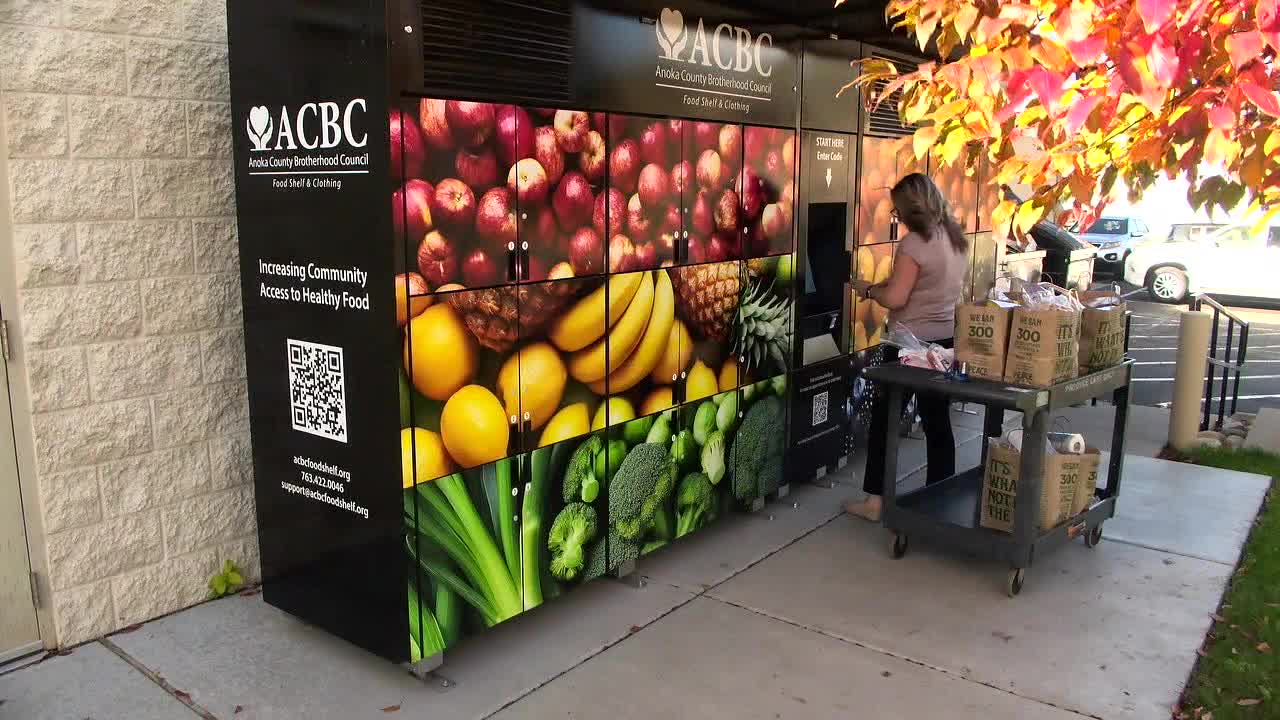
Twin Cities food shelves add lockers for after-hours food pickup KaMaria Braye KSTP Twin Cities food shelves add lockers for after-hours food pickup For many people, getting help isn’t always the challenge. Getting there before the doors close is. That’s why a growing number of food shelves across the Twin Cities are turning to refrigerated food lockers, allowing people to pick up groceries outside traditional business hours. Programs in north Minneapolis, Anoka and Eden Prairie are among the latest efforts aimed at making food more accessible as organizations report growing demand and changing demographics among the people seeking assistance. At Shiloh Cares Food Shelf in north Minneapolis, the “Hope Vault” opened Oct. 21 and provides food and other resources around the clock. “It offers you can come here and get the food and resources that you need 24/7 without any barriers,” said Jalilia Abdul-Brown, executive director of Change Starts with Community. Abdul-Brown said the lockers were created to address food access challenges in the community. “This area is a food desert, and we only have one grocery store,” she said. The demand has been immediate “We are already filling it three to four times a week, and I thought we’d only be filling it maybe once already, but it’s already surpassed that,” Abdul-Brown said. Shiloh’s system includes 18 lockers. Users enter a phone number, receive a code and access food directly through the lockers. “Anyone off the street can walk up and access this food and these resources. We want to take away the barriers. We don’t want to make it hard,” Abdul-Brown said. She said the organization serves more than 8,000 people every month. Abdul-Brown said the people walking through their doors are changing. “We are seeing so many new people. I believe last month we had about 1,500 new people,” she said. She attributes the increase to job losses, rising grocery and gas prices, and concerns about changes to federal programs such as SNAP and Medicaid. “We’re seeing a lot of people who have lost their jobs,” Abdul-Brown said. “People who you would look at as middle class, they’re coming to the food shelf now.” She’s also seeing a younger population seeking help. “We’re seeing a lot more millennials that we were not seeing before,” she said. The increase is putting additional pressure on food shelf resources. “We’re already struggling to keep up with the demand of people that’s coming in,” Abdul-Brown said. “We were only having our trucks pull up once a week to food for us to stock and load. We’re now doing that twice a week, where we’re having two and three trucks pull up a week.” For Wanda Porter, the lockers offer flexibility when life gets busy. “I love it. This is a blessing to have this locker here,” Porter said. Porter, who is retired, said she often balances doctor appointments and caring for her grandchildren. “When I have appointments, I can run, grab it, and go to my appointment. Sometimes it’s after they’re closed, and I can come up. So I really appreciate them,” Porter said. She said rising grocery prices have made food assistance increasingly important. “I am retired, and I don’t have any extra income other than Social Security, so being able to come here and get food is a blessing for me,” she said. ACBC’s lockers In Anoka, ACBC Food Shelf launched its own refrigerated locker system in May. The 30-locker system also allows households to access food outside traditional business hours. “We’ve had families and households who have not been able to come due to scheduling, work schedules, health reasons, household dynamics,” said Stephanie Lehman, CEO of ACBC Food Shelf. Lehman said the project cost about $95,000 and took roughly a year to bring online. The food shelf raised money through community support and donations to make it happen. The lockers also add capacity at a time when more people are seeking help. “We have averaged 30% per year growth over the last six years,” Lehman said. She said ACBC currently serves nearly 3,000 households a month, or about 8,800 people, and expects to feed more than 100,000 people this year, a record for the organization. Lehman said many of the people seeking help don’t qualify for public assistance programs but are still struggling financially. “Most people coming are not, they don’t qualify for benefits,” she said. “They make too much money, but they’re not making enough to make a living wage.” As the holiday season approaches, both organizations expect demand to continue climbing. Lehman hopes the locker model continues to expand. “I think we’re going to see a really large impact of the food lockers in the Minneapolis area,” she said. How to access the programs ACBC Food Shelf (Anoka) People can order groceries and hygiene products online for pickup through the locker system. ACBC also offers emergency food through the lockers for people who need immediate access to food. Hope Vault at Shiloh Cares (North Minneapolis) People can walk up to the lockers, enter their phone number and receive a code to access food and other resources. Community Emergency Service (CES) Food Shelf (South Minneapolis) According to its website, it offers 24/7 food lockers outside its building. The organization said neighbors can reserve groceries, receive a code and pick up food day or night. PROP Food Shelf (Eden Prairie) According to its website, PROP’s food locker program allows people to place an order and pick up groceries outside traditional food shelf hours using a secure access code.
By Marcus Chen
By Katherine Langford

By Marcus Chen
By Katherine Langford